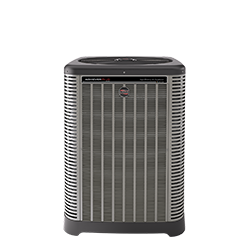
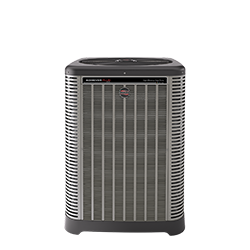
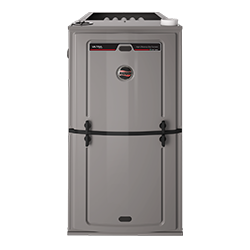
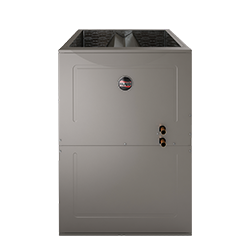
Ruud HVAC Systems for your Home
How do you choose the right HVAC system for your home? What’s the difference between an air conditioner and a heat pump, and how do I know which system I need? If you’re shopping for a new HVAC system, air conditioner, or furnace, then chances are you’ve probably asked yourself (or Google) those questions. But here at Ruud you’re talking to the experts – our HVAC system selection guides below offer a great starting point for choosing the best HVAC system for your home, and once you’re ready to find a trustworthy and licensed installer, we’ve got you covered with Ruud’s nation-wide network of vetted Ruud HVAC contractors.
- How to choose an Air Conditioning System?
- How to choose a Furnace System?
- How to choose a Heat Pump System?
Split-System Heating & Cooling Products
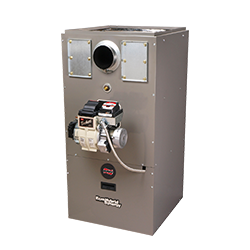
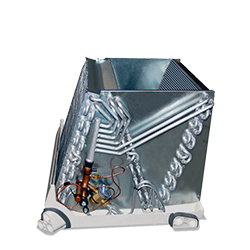
A split-system home comfort system uses an outdoor (air conditioner or heat pump) and indoor (gas furnace, air handler or oil furnace) to deliver comfortable air to a living environment.